Remodling & Repairing Homes, While Earning Your Trust.
Top Trends for Home Building and Remodeling in 2026
6/11/20263 min read
2026 Home Building Trends: Smaller Homes, Smarter Spaces, and Sustainable Living
The way Americans build and renovate homes is changing dramatically in 2026. Rising construction costs, elevated interest rates, and shifting family dynamics are driving homeowners to rethink how they use their living spaces. Instead of focusing solely on larger homes and excess square footage, today's homeowners are prioritizing affordability, flexibility, sustainability, and long-term functionality.
Whether you're planning a new build, major renovation, or home addition, understanding these emerging building trends can help you create a home that remains practical and valuable for years to come.
Smaller Homes with Better Design
One of the most significant trends in 2026 is the move toward smaller, more efficient homes. With higher mortgage rates and increased construction expenses, homeowners are looking for ways to maximize value without sacrificing comfort.
Rather than paying for unused square footage, builders are designing homes that make every room count. Open floor plans, built-in storage solutions, multifunctional rooms, and flexible living spaces are replacing oversized formal dining rooms and rarely used living areas.
Today's homeowners want:
Efficient floor plans
Multi-purpose spaces
Reduced maintenance requirements
Lower utility costs
Better return on investment
The focus has shifted from "bigger is better" to "smarter is better."
Accessory Dwelling Units (ADUs) Continue to Grow
Accessory Dwelling Units (ADUs) have become one of the fastest-growing residential construction trends. Often called granny flats, carriage houses, backyard cottages, or in-law suites, ADUs provide additional living space without requiring homeowners to purchase a larger property.
ADUs serve many purposes:
Housing aging parents
Providing living space for adult children
Creating rental income opportunities
Accommodating caregivers
Offering guest accommodations
Establishing home offices
As municipalities continue to update zoning regulations, more homeowners are finding ADUs to be an affordable solution for expanding living space while increasing property value.
Multigenerational Living Becomes the New Normal
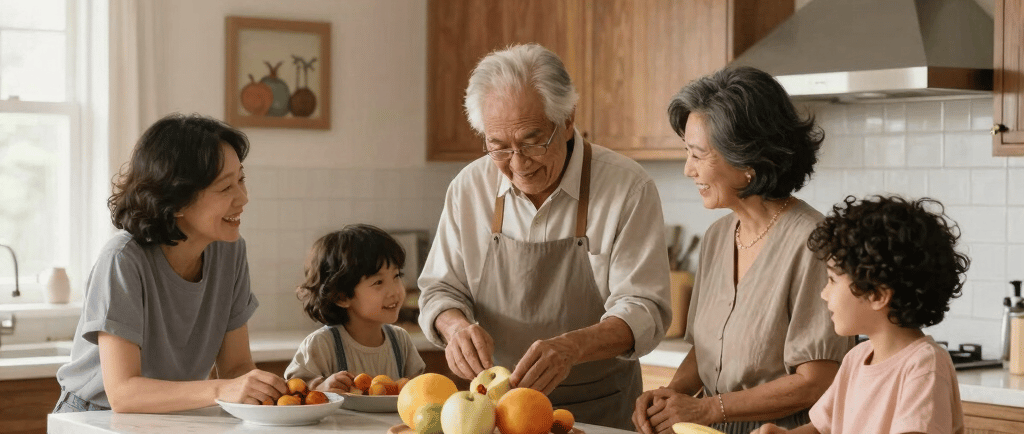
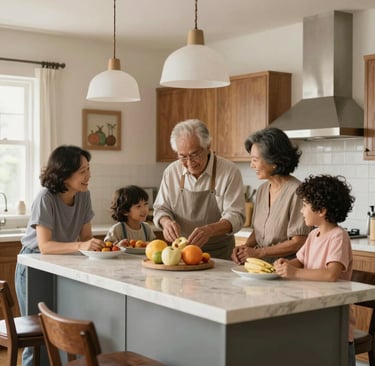
Multigenerational living is no longer an exception—it's becoming a standard consideration in home design. Economic realities, caregiving needs, and changing family priorities have led many families to share living spaces across multiple generations.
Builders are responding by incorporating features such as:
Private entrances
Separate living quarters
First-floor bedrooms and bathrooms
Additional kitchenettes
Flexible bonus rooms
Accessible design elements
These layouts allow family members to maintain independence while remaining connected and supportive of one another.
Sustainability Drives Building Decisions
Environmental responsibility continues to influence home construction in 2026. Homeowners are seeking sustainable building materials and energy-efficient systems that reduce both environmental impact and monthly operating costs.
Popular sustainability features include:
Energy-efficient windows
High-performance insulation
Solar-ready roofing systems
Heat pump technology
Smart home energy management
Water-saving fixtures
Durable, low-maintenance materials
Sustainable homes not only help reduce utility expenses but also appeal to future buyers who prioritize energy efficiency and environmental stewardship.
Biophilic Design Creates Healthier Living Spaces
One of the most visually striking trends in 2026 is the continued rise of biophilic design. This design philosophy seeks to strengthen the connection between people and nature by incorporating natural elements into the built environment.
Homeowners are embracing:
Natural wood finishes
Stone accents
Earth-toned color palettes
Large windows
Indoor plants
Natural lighting
Organic textures
Research suggests that homes incorporating natural elements can improve mood, reduce stress, and create a greater sense of well-being. As a result, biophilic design has evolved from a luxury trend into a mainstream design approach.
Indoor-Outdoor Living Continues to Expand
Homeowners increasingly view outdoor spaces as extensions of their indoor living areas. Patios, decks, screened porches, and outdoor kitchens are being designed as functional living spaces rather than occasional-use areas.
Popular features include:
Covered outdoor gathering spaces
Outdoor fireplaces
Retractable glass walls
Composite decking
Weather-resistant furniture
Integrated lighting systems
Outdoor entertainment areas
The goal is to create a seamless transition between indoor and outdoor environments while maximizing usable living space.
Flexible Layouts for Changing Needs
The pandemic permanently changed how people think about their homes. Today's homeowners want spaces that can easily adapt as family needs evolve.
Flexible design features include:
Home offices that convert to guest rooms
Fold-away workstations
Movable room dividers
Multipurpose bonus rooms
Built-in storage systems
Convertible furniture
This adaptability allows homeowners to get more value from their homes without costly future renovations.
Clutter-Free Living Through Smart Storage
Minimalism and organization continue to influence home design. Homeowners want clean, uncluttered spaces that promote relaxation and efficiency.
Builders are incorporating:
Walk-in pantries
Built-in shelving
Mudrooms with storage lockers
Hidden storage compartments
Custom closet systems
Garage organization solutions
Well-designed storage makes smaller homes feel larger while supporting modern lifestyles.
Looking Ahead
The building trends of 2026 reflect a fundamental shift in homeowner priorities. Affordability, sustainability, functionality, and family-centered design have become more important than sheer size or extravagance.
Homes are becoming smarter, more adaptable, and more connected to nature. Whether through multigenerational living arrangements, Accessory Dwelling Units, energy-efficient construction, or biophilic design, homeowners are seeking spaces that support their lifestyles today while remaining flexible for tomorrow.
For homeowners considering a remodel, addition, or custom build, embracing these trends can create a home that is not only beautiful but also practical, efficient, and prepared for the future.
Chat Or Click Link to Chat
Learn More
© 2026. All rights reserved.
Phone
Dakken Home Services is a trusted, customer-focused home repair and improvement company dedicated to helping homeowners maintain safe, functional, and comfortable living spaces. Built on a foundation of reliability, craftsmanship, and genuine care for people, Dakken Home Services offers a full range of handyman solutions designed to meet everyday needs—from small repairs and routine maintenance to larger home improvement projects such as decking, fencing, stair work, and structural updates. No job is too small, and every project is approached with the same level of professionalism, attention to detail, and commitment to quality.
What truly sets Dakken Home Services apart, however, is its specialized focus on supporting individuals who wish to age in place, as well as those living with disabilities. The company recognizes that a home is more than just a structure—it is a place of independence, dignity, and security. As mobility and accessibility needs change, Dakken Home Services works closely with clients and their families to create customized solutions that allow individuals to remain safely in their homes for as long as possible.
These services include thoughtful home modifications such as the installation of grab bars and handrails, stair and entryway improvements, wheelchair ramps, widened doorways, non-slip flooring solutions, bathroom accessibility upgrades, and other structural adjustments tailored to each individual’s unique situation. Every modification is designed not only for safety, but also for ease of use and long-term durability. The team takes the time to understand the specific challenges each client faces and develops practical, effective solutions that blend seamlessly into the home’s existing design.
At Dakken Home Services, the approach is highly collaborative. The company believes that the best results come from working with customers, not just for them. From the initial consultation through project completion, clients are involved in the decision-making process, ensuring that their needs, preferences, and concerns are fully addressed. Clear communication, honest recommendations, and transparent pricing are central to every interaction, helping to build trust and long-lasting relationships.
In addition to technical expertise, Dakken Home Services is driven by compassion and respect. The team understands that working in someone’s home—especially when it involves sensitive life transitions—requires patience, empathy, and professionalism. Whether assisting an aging homeowner who wants to maintain independence or helping a family adapt a space for a loved one with special needs, the goal is always to provide solutions that improve daily living while preserving comfort and peace of mind.
Ultimately, Dakken Home Services is more than a handyman company—it is a partner in creating safer, more accessible homes. By combining skilled workmanship with a people-first approach, the company delivers results that not only fix and improve homes but also enhance the quality of life for those who live in them.